In 2005 UK sales of petrol cars outnumbered their diesel
counterparts by almost two to one. By 2014, however,
more than 1.24 million diesel cars were sold in this country
versus 1.18 million petrol-fuelled vehicles
1
. The increase was
largely attributed to diesel’s efficiency, particularly lower
fuel costs and carbon dioxide emissions.
But diesel’s superiority was brutally called into question
after it emerged that Volkswagen had installed ‘defeat
devices’, which understate emissions during official tests,
in more than 10 million vehicles
2
. The saga began with
nitrogen oxide emissions but spread to carbon dioxide
emissions, bringing in VW’s other marques, including Audi
and Porsche, along the way.
The scandal prompted deep-seated concern about VW’s
prospects, but also called into question demand for diesel
cars more broadly. Registration data from industry body, the
SMMT, for October 2015, the first month after the VW
scandal broke, showed a 2.1% decline in demand for diesel,
compared to a decline of 0.9% for petrol. Looking at
the first 10 months of the year in total, however, reveals
a marked preference for petrol vehicles, with registrations
up 8.7% compared to a 2.6% rise for diesel.
‘Even before the VW scandal, people were beginning
to realise that diesel was not quite as good for the
environment as they had thought. Diesel is also more
expensive than petrol, even though you get more miles per
gallon from it, so the economics are less compelling than
they used to be for low-mileage drivers, especially as diesel
cars cost more than their petrol equivalent,’ says Ian Henry,
Director of automotive strategy consultancy, AutoAnalysis.
In the long term, these economic factors may well prove
more influential than environmental or moral concerns.
The impact on the UK car industry is nuanced. Dealers for
diesel-heavy brands such as Renault, Peugeot, Citroen and
VW itself may be left with stock that they can only sell at
much reduced prices, but some UK-based manufacturers
may actually benefit from Volkswagen’s misfortune.
‘Problems for VW should benefit Nissan, Vauxhall, Toyota,
Mini and even Jaguar Land Rover, if Audi continues to be
impacted. There’s a scenario which could even mean higher
production volumes in the UK, if VW dives,’ says Henry.
1 SMMT
2
PETROL VERSUS DIESEL
1,535,575 1,071,574 1,184,409
897,887 936,407 1,240,287
2,439,717 2,030,846 2,476,435
Petrol
Diesel
Total
BATTLE OF THE ENGINES
Car registrations in the UK by engine type since 2005
UK petrol and diesel car registrations: source SMMT
2010
2014
2005
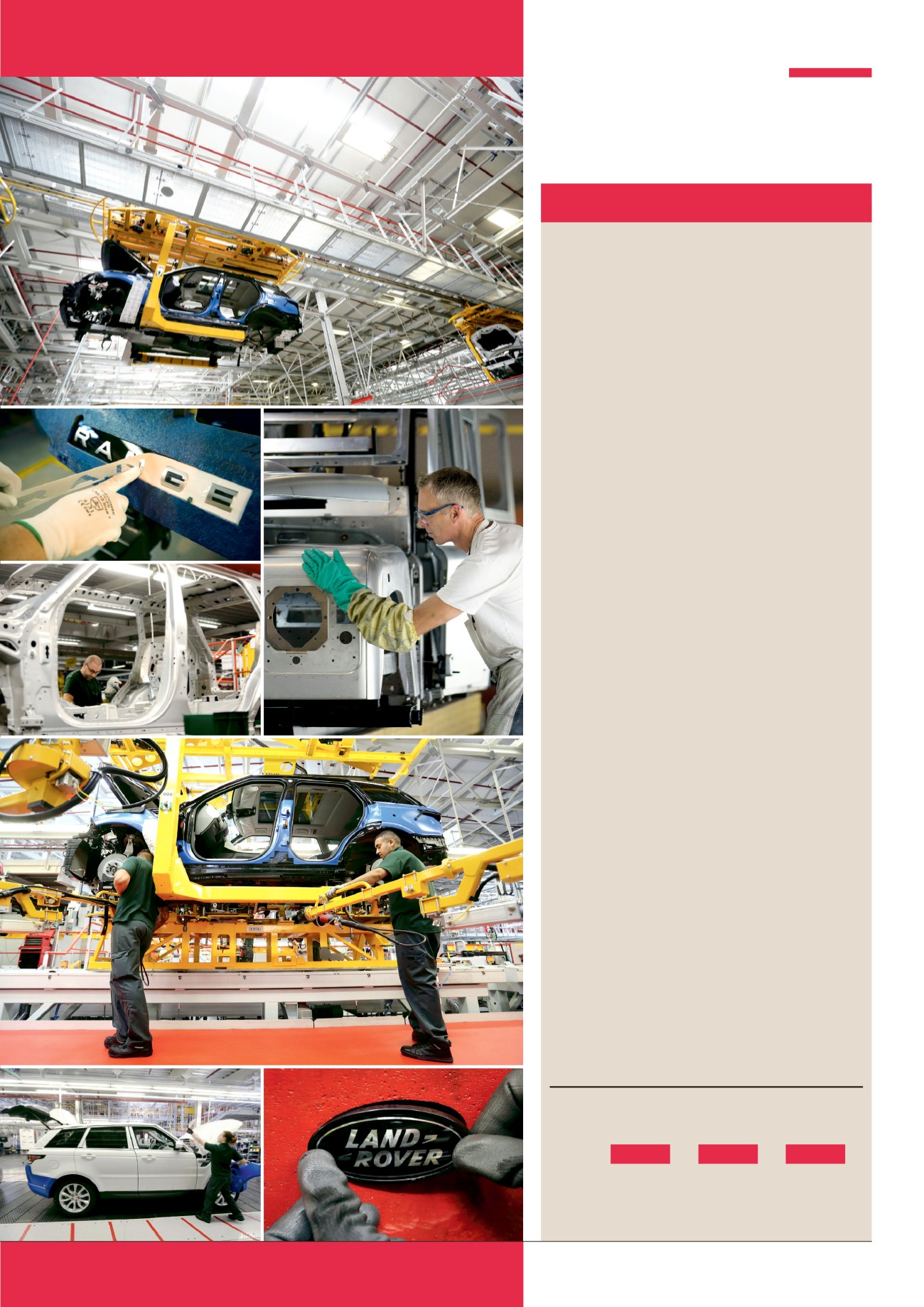
Jaguar Land Rover is one of the
companies that could profit
from VW’s fall from grace
THE INVESTOR
|
11
ANALYSIS


