



 34 / 44

THE INVESTOR CENTRE
All information correct as at 30 September 2016
INVESCO PERPETUAL
Joint manager: Multi Asset
Challenges to global economic
growth likely to increase volatility
Markets are adjusting
to rates that will be
‘even lower for longer’
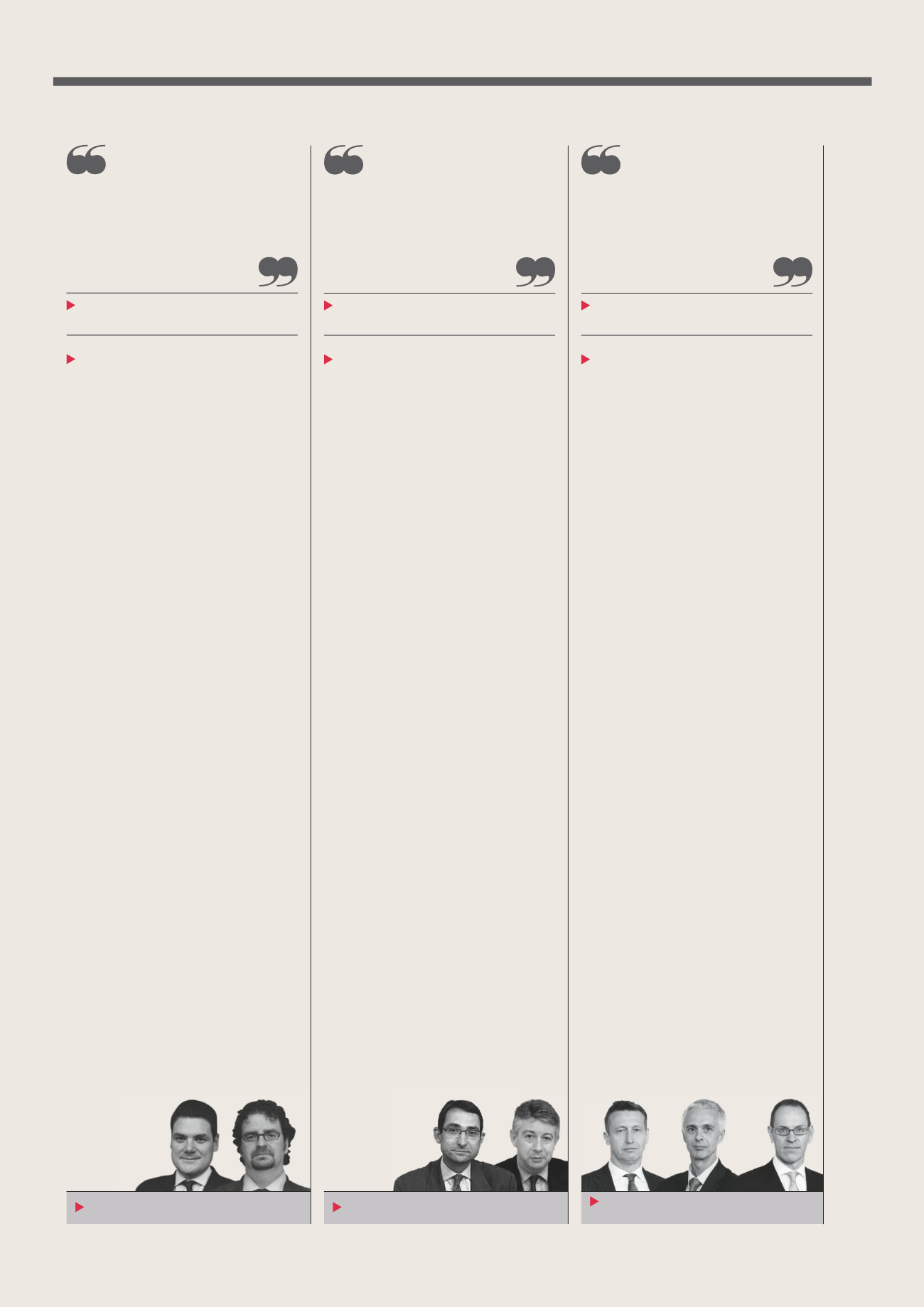
David Millar, Dave Jubb and
Richard Batty
EDGEPOINT
Satellite manager: Global Equity
Portfolio investment strategy remains
to target high-growth businesses
Market uncertainty
saw investors seek
‘safety sectors’
Tye Bousada and Geoff MacDonald
INVESCO PERPETUAL
Corporate Bond
The financial sector offers some of
the best investment value
The Bank of England’s
policies boosted the
sterling bondmarkets
C
entral Bank activity was an
important determinant of bond
market returns over the summer.The
Bank of England’s decision to ease
UK monetary policy helped sterling
bond markets deliver their highest
returns for a number of years.The
overall package was larger than
expected and sterling corporate
bonds extended their post-Brexit
rally as a result.
The European banking sector saw
someweakness at the start of July but
recovered in amatter of days.
Looking ahead, central bank policy
will likely continue to have a
signi cant e ect on bond markets,
but while current policies are largely
bond-positive they need to be
balanced against the very low level of
bond yields.Taking these factors and
the wider macroeconomic picture
into consideration, the nancial
sector, particularly banks but also
subordinated insurance bonds,
continue to o er some of the best
investment opportunities. Outside
the nancial sector, hybrid bonds
o er a good balance of risk and
return. In the high-yield sector, our
focus is toward higher quality bonds
that we think are unlikely to default.
F
ollowing the immediate fall-out
from the Brexit vote, the past
three months have been characterised
by markets adjusting to a world where
‘lower for longer’ has become‘even
lower for even longer’, as central banks
have recognised weaknesses in the
global economy and readied monetary
policy to deal with them.
The promise of looser monetary
policy has seen equity markets recover
across the board, testing new highs in
some markets and keeping yields on
government bonds low. Following the
Brexit vote, our rst job was to
reassess our central economic thesis,
which outlines our two- to three-year
viewof theworld.Since launchwe have
described our central economic thesis
as‘cautious optimism’.This has now
changed a little as we have recognised
potential challenges to global economic
growth: structural growth rates staying
subdued, consumption-led US growth
succumbing to headwinds or further
political upheaval endangering the
European
recovery.Wethink there
will be more policy responses globally,
both monetary and scal, to those
challenges.Wewould now describe
our view as‘muddling through’with
increased levels of volatility.
Paul Read and Paul Causer
T
hroughout Q3,market participants
continued to ood into so-called
‘safety sectors’ such as utilities,
telecommunications and consumer
staples. Investments in these sectors
amount to a factor bet on interest-
sensitive businesses.Market history
has taught us that large bets in one
investment idea have ended badly for
investors.Today we may be entering
similar territory for companies
associated with perceived safety, as
some valuations have reached a point
rarely seen.Our investment approach
is to avoid factor bets in favour of
buying businesses with high growth
rates and reasonable valuations.
The current global environment
gives us to believe that economic
growth might be slower for longer.
Central banks are attempting to
stimulate consumption through
spending, but results have been mixed.
While broad-based GDP growth
might be hard to come by, growth
does exist. In a‘slower for longer’
investing environment,we are focused
on two things: compounding wealth
for our unit holders over the long
term and identifying businesses that
can growwithout having to pay a
premium for them.
34
|
THE INVESTOR