



 41 / 44

THE INVESTOR CENTRE
WELLINGTON MANAGEMENT
Gilts: UK Gilts
UK stimulus may lead to higher
than expected economic growth
WASATCH
Emerging Markets Equity
South Africa and Russia both offer
potential value for investors
Central banks take
centre stage following
EUreferendum
StrengtheningRussian
economypresents
investmentopportunities
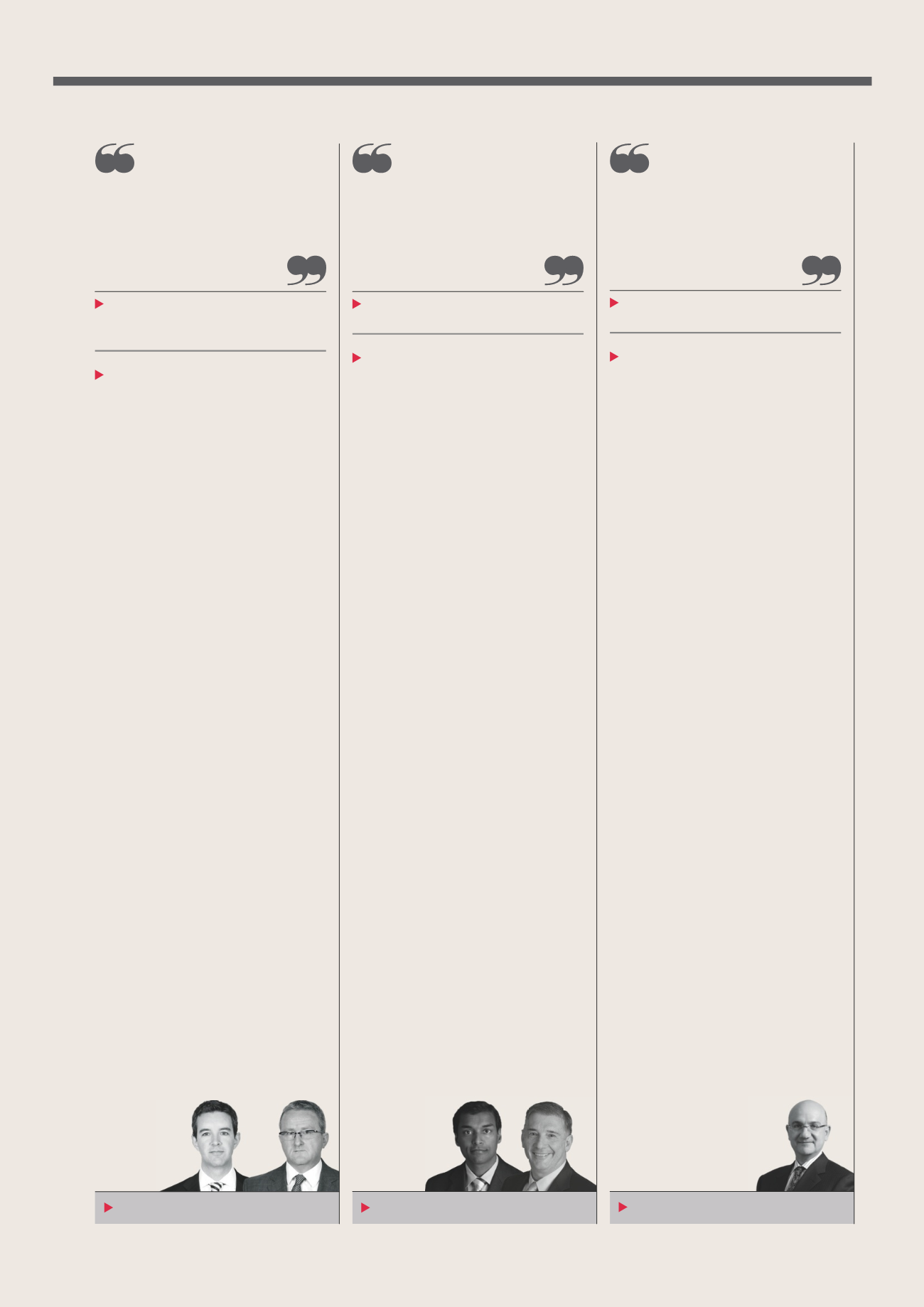
Ajay Krishnan and Roger Edgley
Haluk Soykan
TWENTYFOUR
Joint manager: Diversified Bond and
Strategic Income
QE stimulus acted as catalyst for
rally in investment grade bonds
Gilts continued strong
performance aided
by central banks
Eoin Walsh and Gary Kirk
T
he quarter started with markets
still coming to terms with the
surprise result of the UK’s EU
referendum, but the period was
ultimately dominated by central
banks, which continue to dictate
market sentiment.
The Bank of England was the rst
to act on 4August in response to
the referendum vote, cutting UK base
rates to 0.25% (with a cut to 0.10%
at a later date being left on the table
if required), adding toQE and creating
a corporate bond programme.
Unsurprisingly, gilts continued
their strong performance and the
stimulus acted as a catalyst for a
strong rally in investment grade
bonds, with the rest of xed income
bene ting from the contagion e ect.
Unsurprisingly, the market paused
for breath in September with new issue
volumes easing the strong technical
backdrop, and with the market left
disappointed as Mario Draghi
announced no change to the ECB’s
asset purchase programme. Focus is
now rmly on the US;we believe the
Federal Reserve’s rhetoric is critical
and could set the tone for Q4,
particularly if guidance suggests
a rate increase before the year-end.
C
entral banks dominated Q3 as
markets reacted to the UK’s EU
referendum.The Brexit vote sawmost
central banks adopt a dovish stance,
with the Reserve Bank ofAustralia,
Reserve Bank of NewZealand and the
Bank of England all easing policy,
having rst waited to assess the impact
of the referendum.The Bank of Japan
also eased, but surprised markets rst
by introducing only the minimum set
of measures, and then later by easing
via scal rather than monetary
measures.TheUS Fedwas hawkish at
the end ofAugust and introduced the
possibility of two further rate hikes by
the year-end;but weaker than expected
US data reducedmarket expectations
of a September rate hike.Europe,China
and Japan experienced relatively strong
data releases,with their composite
PMIs all in expansionary territory.The
UK composite PMI declined after the
Brexit vote, althoughmanufacturing
and in ation readings in the following
weeks implied that the fallout was less
than
anticipated.UKcyclical data is
after the upward trajectory of the
stimulus in the systemrather than the
immediate hit expected post-Brexit.
The stimulus in the pipeline is themost
since 2010, raising the odds that the
MPCdoes not cut inNovember nor
rollout furtherQE.
A
recent research trip to Russia
revealed an economy that has
rapidly adjusted to international
sanctions. Unable to obtain a slew of
goods from overseas, Russians have
begun making more products
domestically. Fuelled by import
substitution and the recent rebound in
the price of oil, a construction boom
is sweeping through the country.
Although we don’t expect the
portfolio to be heavily weighted in
Russia, we believe its vibrant and
improving economy presents
investment opportunities that merit
additional research and consideration.
SouthAfrica is another country that
appears to be on the mend.Although
in ation remains high at around 6%,
recent readings have come in below
expectations and are down from the
peak of 7% reached in February. In
recent municipal elections, support
for the dominantAfrican National
Congress dipped to its lowest level
since 1994. Investors now hope that
gains by the opposing Democratic
Alliance will represent a turning point
towards a more business-friendly
political environment. SouthAfrica is
home to a large number of high-
quality companies doing business
throughout the region.
THE INVESTOR
|
41