



 24 / 40

24
|
THE INVESTOR
CHARITABLE AID
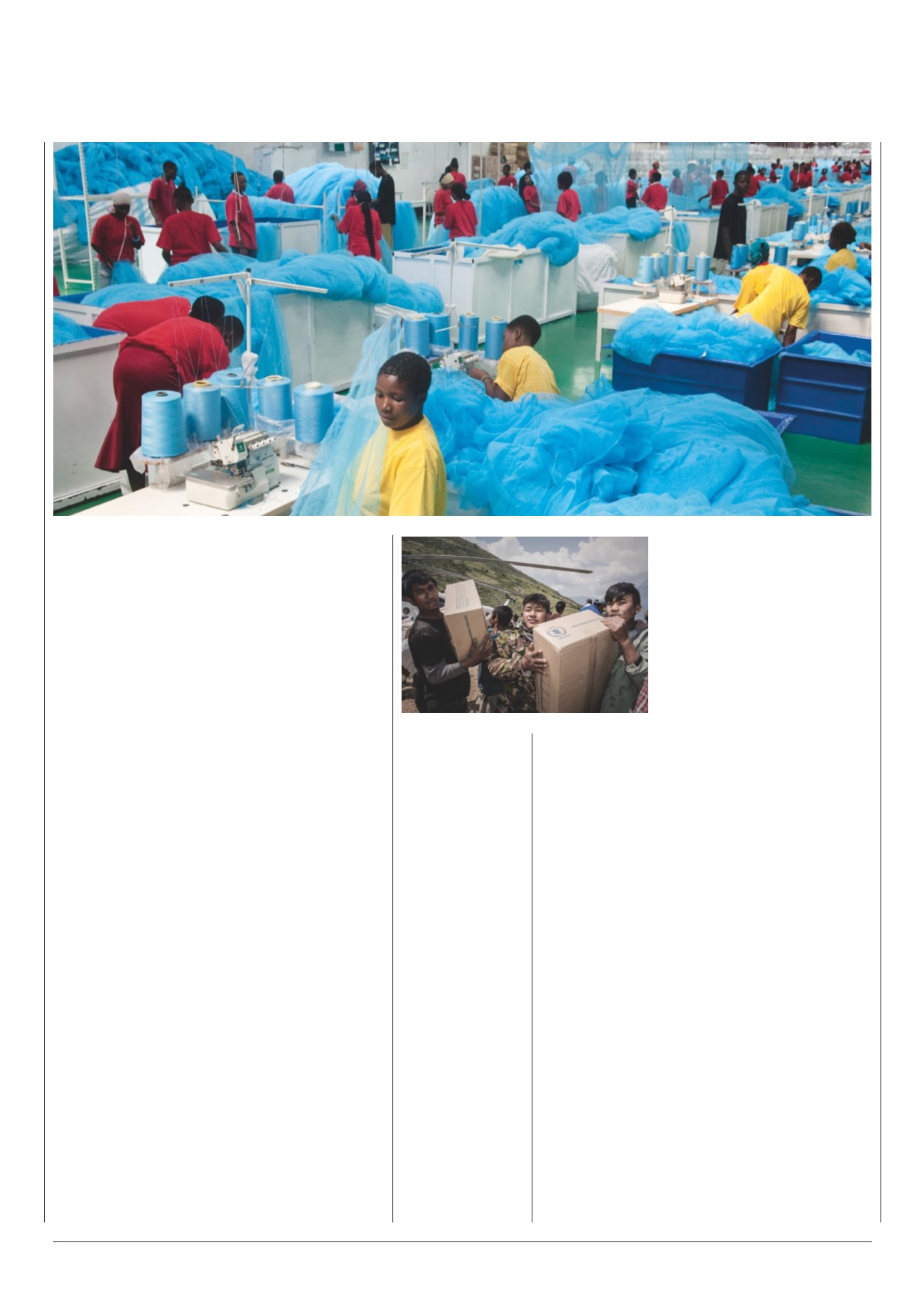
Charities deliver
mosquito nets to
Tanzania (top); and
volunteers unload
relief supplies
following the 2015
earthquake in Nepal
(inset)
registered charities and investments in social
enterprises may qualify for advantageous tax
treatment. For example, leaving a part of your
estate to charity can reduce, and in some situations
eliminate, your InheritanceTax liability.You can
cut the InheritanceTax rate on the rest of your
estate from 40% to 36% if you leave at least 10%
of your net estate to a charity.
4
JulietValdinger, a philanthropy consultant, says
that, in the past, the majority of financial advisers
were hesitant about discussing philanthropy with
clients, as this might diminish their wealth. But she
comments:‘Nowadays discussing philanthropy and
planning should be standard practice. Financial
advisers have an opportunity to signpost their
clients to the best avenues to follow to achieve the
goals they are trying to reach, and also, I hope, raise
awareness with other people who have not thought
about it, to see how it can fit their plans.’
Many would-be donors do not want to be drawn
into the burdensome administration of running
their own charitable foundation, nor do they want
to simply hand over a cheque and walk away.
So-called donor-advised funds offer a well-
established middle route whereby the money
is invested, providing your chosen charities with
a long-term income stream. Charitable
contributions have the added benefit of being
highly tax efficient in that they are exempt from
InheritanceTax and may attract other tax reliefs,
including Gift Aid.The donor cedes ownership
of the sum when it is handed over, but not their
influence over how it is spent.
The St. James’s Place
Philanthropy Service is run by
CAF and enables clients to
establish donor-advised gifting
funds during lifetime and/or on
death.Walker says,‘One of the
big advantages is that donor-
advised funds offer flexibility.
They are especially practical for
someone who has a large lump sum from, say, the sale
of a business, as they can reduce their tax in that year
and consider later which charities or social enterprises
they want to be involved with.We at CAF do the due
diligence, the admin and can provide strategic advice.’
Andrew Livingstone, Private Client Consultant
at St. James’s Place, says,‘Tax-efficient charitable
giving during lifetime or on death should ideally
form part of your conversation with your
St. James’s Place Partner when discussing an holistic
approach to your financial planning. In particular,
establishing a charitable trust through our
Philanthropy Service provides an ideal opportunity
to educate your children or grandchildren in
managing family wealth.’
Since charitable giving is intimately tied up with
what the next generation can expect to inherit,
it is no surprise that philanthropy is often a family
affair. Involving all the generations can help ensure
that there is a strategic approach to giving and that
the charitable work aligns with the whole family’s
broader values. It can also make giving a more
rewarding experience and can bridge the separate
interests and passions of different family members.
PHILANTHROPY
Getty Images, Magnum Photos, Stocksy. Sources: 1 institute-of-fundraising.org.uk, Feb 2017; 2 Wikipedia, ‘Stone Family Foundation’; 3
The Coutts Million Pound Donors Report
, November 2016; 4 gov.uk, September 2017