



 10 / 44

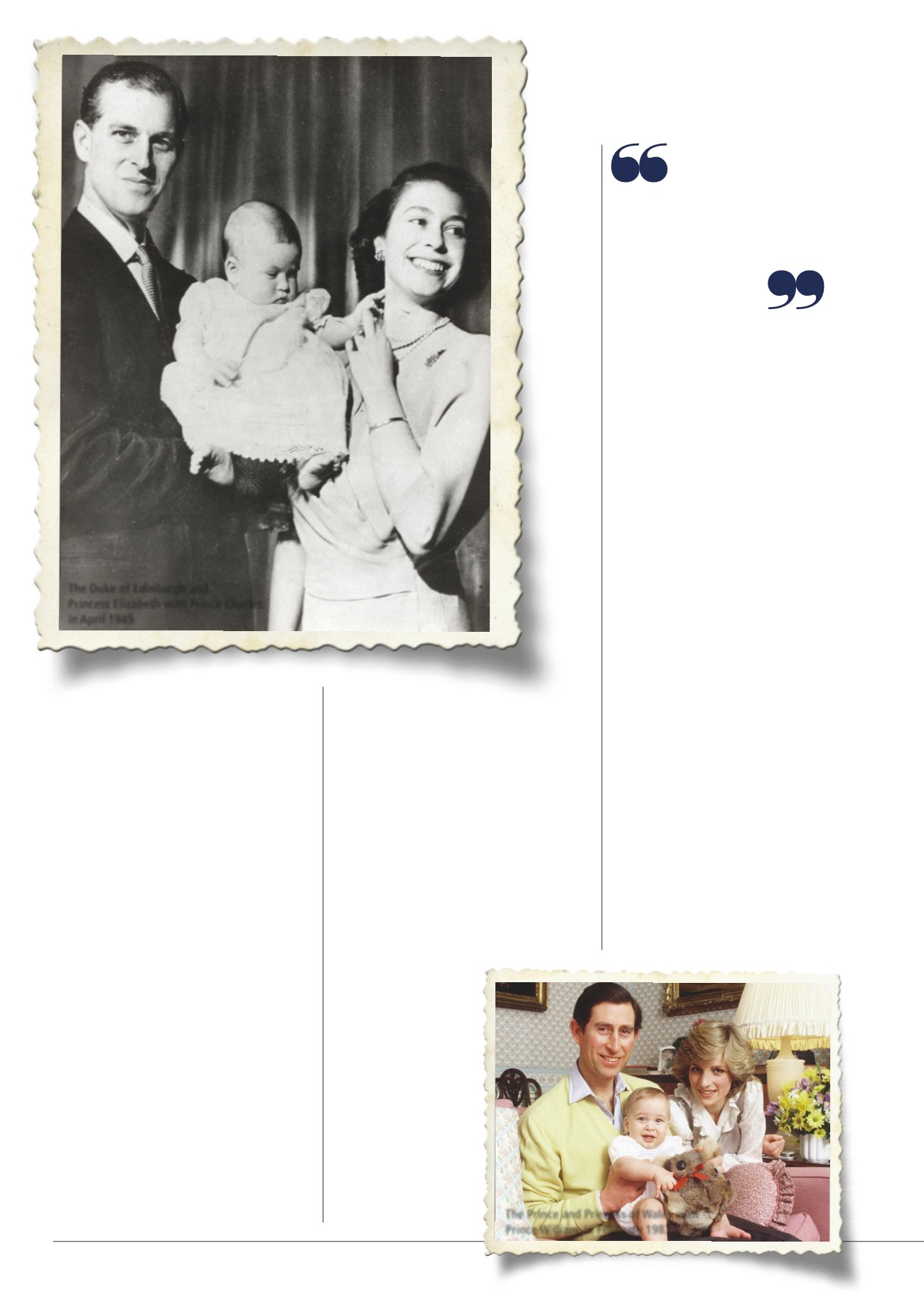
The Duke of Edinburgh and
Princess Elizabeth with Prince Charles,
in April 1949
10
|
THE INVESTOR
double by 2039, to 3.4 million; longevity
and the multi-generational family are
here to stay.
2
Another key phenomenon
that is changing is howwe manage our
wealth against the backdrop of a growing
generational wealth gap.The economy
was kind to those born in the years
immediately after the SecondWorldWar,
and in the 1950s, but less so to those born
in the 1980s and 1990s – the so-called
‘millennial generation’ – who are nding
it harder to get jobs and to get onto the
property ladder. It means many parents are
having to support their children nancially
well into their adult lives.
While our children are struggling
with their nances, our parents are living
longer. This has led to an increase in the
need for long-term care, which is likely
to be nanced from accumulated savings,
selling the family home or with support
from younger generations.
These pressures mean that nancial
planning is becoming a family business.
Instead of each generation making their
own arrangements, families are starting
to consider how to use their combined
resources in the best, most tax-e cient
way to bene t all its members.
A traditional trust structure – where
the benefactor retains some control
over the assets – can be used to achieve
some of these aims, as well as to give
family members a regular income in a
tax-e cient way. But as the need for
intergenerational wealth management
becomes more widespread, people
are using other means to share wealth
e ciently up and down the generations.
Financial support
need not be in the
form of a handout;
it can become an
integral part of
generational nancial
planning, and be
undertaken in
such a way as to
reduce Inheritance
Tax (IHT). Family-
wide protection
is available at
preferential rates.And it is now possible
to help a child with a mortgage without
committing any of your own capital.
One of the easiest ways to pass money
between the generations – without
being subject to IHT – is by gifting. HM
Revenue and Customs rules allow gifts
of up to £3,000, free of IHT, every tax
year, and small gifts of up to £250 to as
many people as you like.This money
moves immediately out of the estate for
IHT purposes.
The rules for‘normal gifts out of
income’, however, allow wealth to be
passed down on a much larger scale.The
gift(s) must be part of a regular pattern
– monthly, quarterly, annually, perhaps –
and must come from income, not capital.
Grandparents could, for example, set
up a Junior ISA for a grandchild and add
to it every birthday; or they could make
regular gifts to help them save up for their
rst car.The key consideration here is
that, having made the payment, the donor
must still have enough income to sustain
their normal standard of living.
Some of us wish we had put more
into a pension when we were younger.
Regular gifting can help a child to build a
solid pension pot of their own.
Parents are having to
support their children
financiallywell into
their adult life
The Prince and Princess of Wales with
Prince William, in February 1983