



 18 / 40

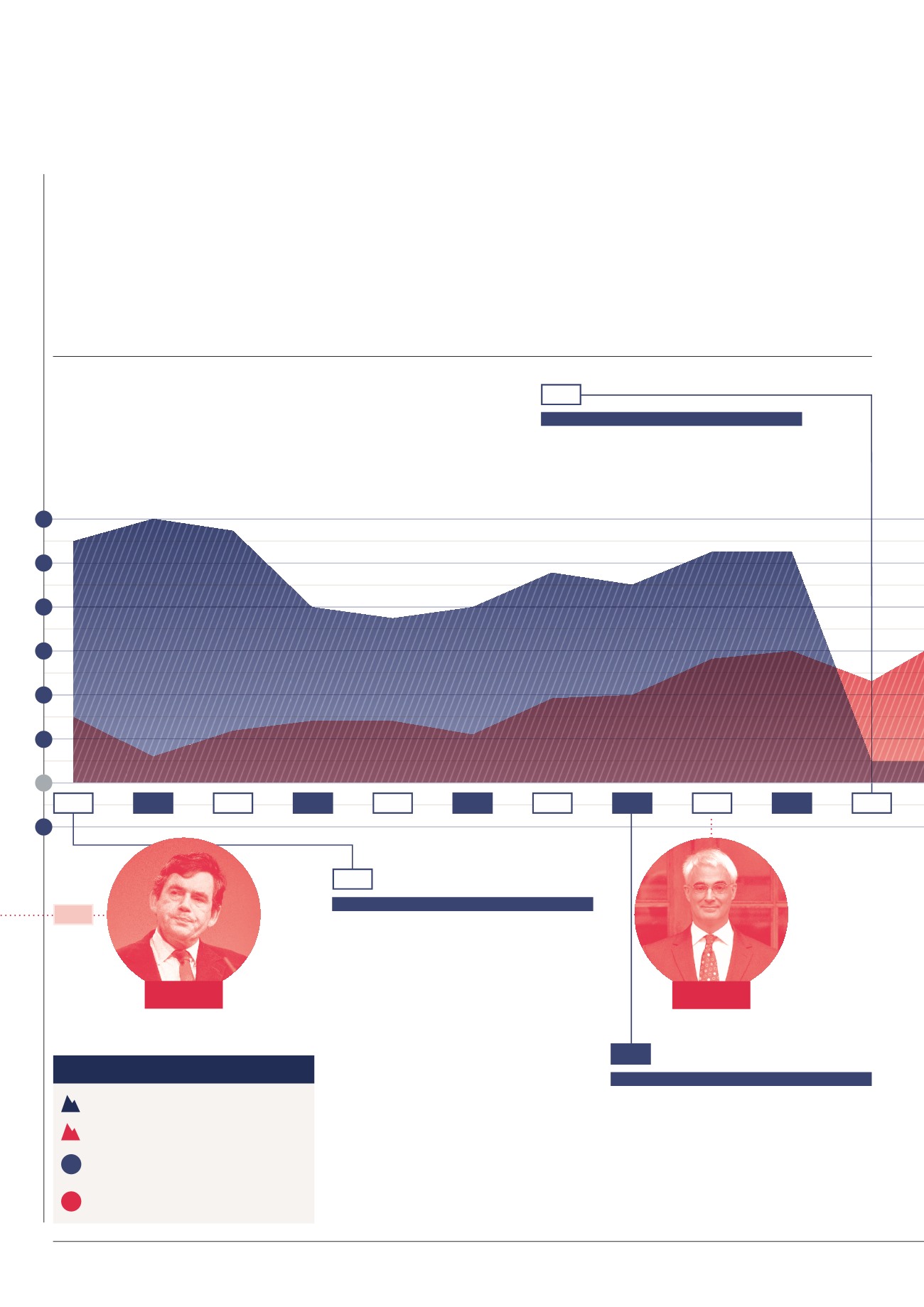
ISAs have changed signi cantly since their introduction
in 1999, both in terms of increasing investment limits
and the range of options available to investors and
savers.We chart the development of ISAs and illustrate
the struggle for real returns faced by savers choosing
the cash route.
18
|
THE INVESTOR
Eighteen years after their launch,ISAs (Individual SavingsAccounts) are one of the UK’s
most popular ways to save,but are all savers making the most of the tax advantages on o er?
The ISA debuts in the Budget of Labour
Chancellor Gordon Brown. It replaces the
Personal Equity Plans (PEPs) and Tax-Exempt
Special Savings Accounts (TESSAs), which were
introduced by the previous government to
encourage everyone to save and invest.
Contributions are made from taxed income
but investment growth and interest or
income earned in the ISA is free of Income
Tax and Capital Gains Tax. Three types of ISA
are introduced:
Cash, Stocks & Shares
, and
Insurance (but the latter was scrapped in 2005).
From the outset ISAs prove popular and
9.2 million accounts are opened in the first tax
year
1
. The overall limit is £7,000, with the Cash
ISA ceiling set at £3,000.
ISAs ARE HERE TO STAY
ISA ALLOWANCE INCREASES
BIRTH OF THE ISA
2006
ISAs at18
1999
2009
1999
1997
2009
2004
2000
2005
2001
2006
2002
2007
2003
2008
1
-1
2
3
4
5
6
Ed Balls, Economic Secretary to the Treasury,
announces that ISAs will have a permanent
future. He also announces a big shake-up to
the ISA regime: until now, savers were not
allowed to switch money from a Cash ISA
accrued in a previous tax year into a Stocks
& Shares account.
Chancellor Gordon Brown raises the ISA limit to
£10,200, of which £5,100 can be held in cash. At
first, only the over-50s benefit.
Alistair
Darling
Gordon
Brown
Chancellor of the Exchequer
(Labour)
INTEREST RATES
V
INFLATION
Inflation (CPI)
Bank of England base rate
Chancellor of the Exchequer
(Conservative)
0