



 19 / 40

THE INVESTOR
|
19
ISAs
Getty Images. Sources: 1 isaco.co.uk, May 2016; 2 gov.uk, April 2016; 3,4 royallondon.com, January 2017; 5,6 moneysavingexpert.com, April 2017
There are two variants of the
popular basic ISA – Cash and
Stocks & Shares. Around 80% of ISA
subscribers have chosen the cash
version
2
, but the combination of
stubborn inflation and record low
interest rates has resulted in even
these tax-advantaged savers suffering
negative real returns.
There is little light at the end of
the tunnel, as interest rates look set
to remain lower for longer given the
political and economic uncertainties
3
.
It means that billions in Cash ISAs is
failing to achieve the basic objective
of keeping pace with inflation.
Furthermore, the long-term trend
for favouring cash makes it clear
that ISA accounts are not being used
purely as a home for short-term
emergency funds, but are a key part
of the longer-term savings strategy
for millions of people; a problem that
could become worse with the advent
of the Lifetime ISA.
A report by mutual insurer Royal
London estimates that Cash ISA
savers have already missed out on
more than £100 billion in tax-free
gains that they could have made
over the past 10 years by investing
in a well-diversified Stocks & Shares
ISA
4
. The net result is that many more
people will find in later life that their
savings have shrunk in real terms.
The introduction of the Personal
Savings Allowance in April 2016 has
raised further questions over the
use of ISAs as a home for cash. This
makes interest earned on all standard
current and savings accounts tax-free
up to a limit of £1,000 a year for
basic-rate taxpayers and £500 for
higher-rate taxpayers
5
.
At current average savings rates,
a basic-rate taxpayer would need
savings in excess of £256,000
before paying tax on their interest,
and a higher-rate taxpayer just over
£128,000
6
.
CASH ISAs – THE REAL
DEAL?
MORE FLEXIBILITY AND HELP FOR
FIRST-TIME BUYERS
ISA RULES TWEAKED
JUNIOR ISA
INFLATION LINKING
HELLO, LISA
2015
2014
2017
2011
2010
2010
2011
2016
2012
2017
2013
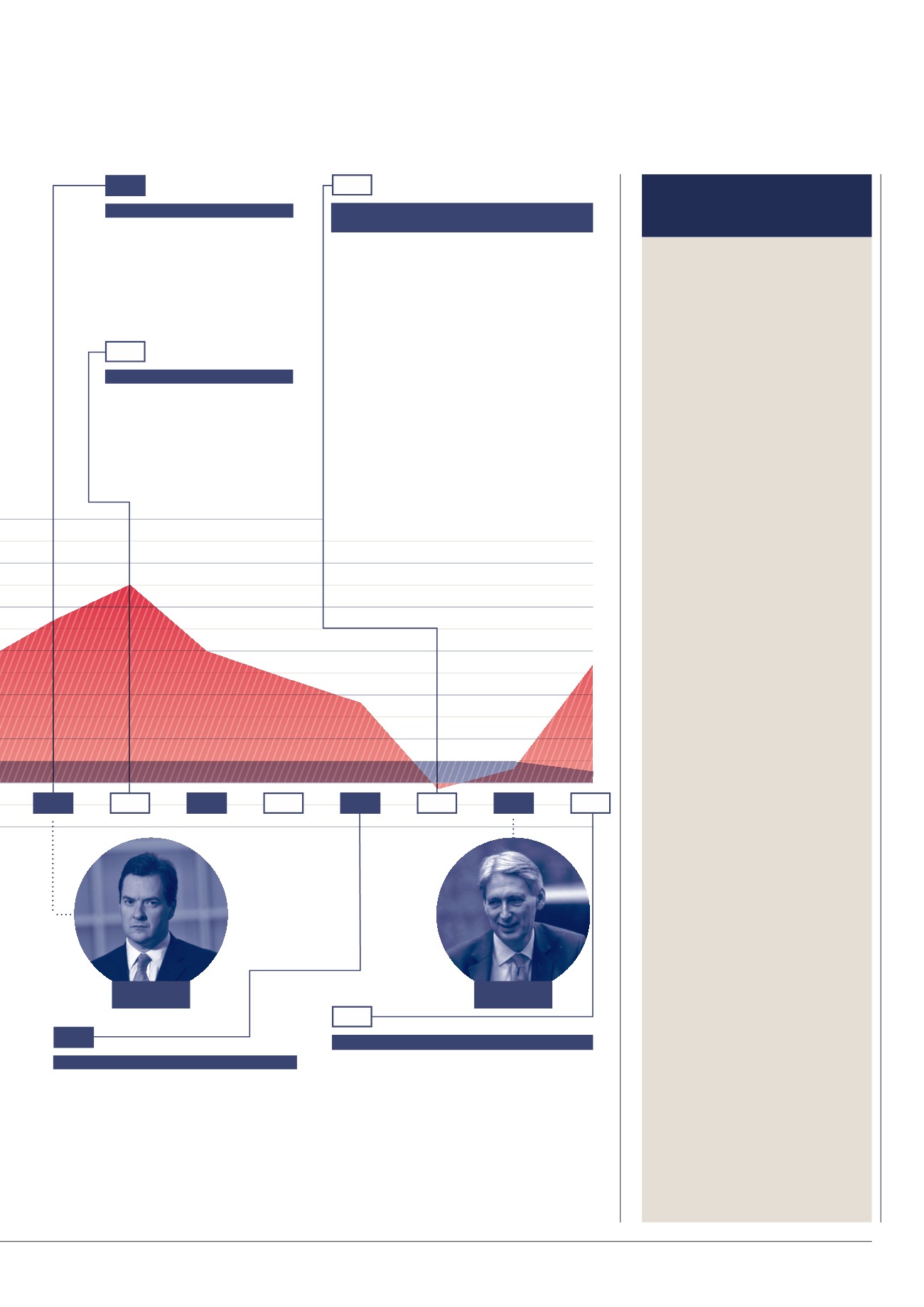
The
Flexible ISA
gives savers freedom to take
money out of an ISA and reinvest it later in the
same year and the limit rises to £15,240. In
addition, the
Help to Buy ISA
arrives. For every
£200 someone saves in the account for their
first home, the government adds £50 up to
a maximum bonus of £3,000.
Osborne announces that a new Personal
Savings Allowance will make returns on any
standard current and savings accounts tax-free,
up to a limit of £500 a year for higher rate
taxpayers and £1,000 a year for basic rate
taxpayers. This calls into question the value
of standard Cash ISAs’ unique tax-efficient
status of savers well within these limits.
Conservative Chancellor George Osborne
overhauls the ISA rules. The new ISA
allowance jumps to £15,000 and can be
split between cash and stocks and shares.
The Junior ISA limit climbs to £4,000. In
a surprise move, Osborne announces the
Inheritance ISA
, which allows widows and
widowers to inherit ISA funds tax-free.
The
Junior ISA
is launched. Each
child can hold two accounts: one
Cash
and one
Stocks & Shares
,
with a total yearly limit of £3,600.
The Chancellor announces that
the annual ISA limit will rise in line
with inflation by tracking the retail
price index.
Chancellor Philip Hammond ushers in the
Lifetime ISA
(LISA) for those aged 18 to 40,
announced by Osborne the previous year. Up
to £4,000 can be saved each year with the
government adding a 25% bonus. Funds must
be used to buy a first home, otherwise they
remain in the account until the holder is aged 60.
Meanwhile, the individual ISA allowance for the
2017/18 financial year has risen to £20,000.
George
Osborne
Philip
Hammond
2015
2014